
Build an approval‑ready credit profile
Understand what’s driving your credit decisions, identify items that may be unfair or inaccurate, and take a structured next step toward stronger approvals and better terms.
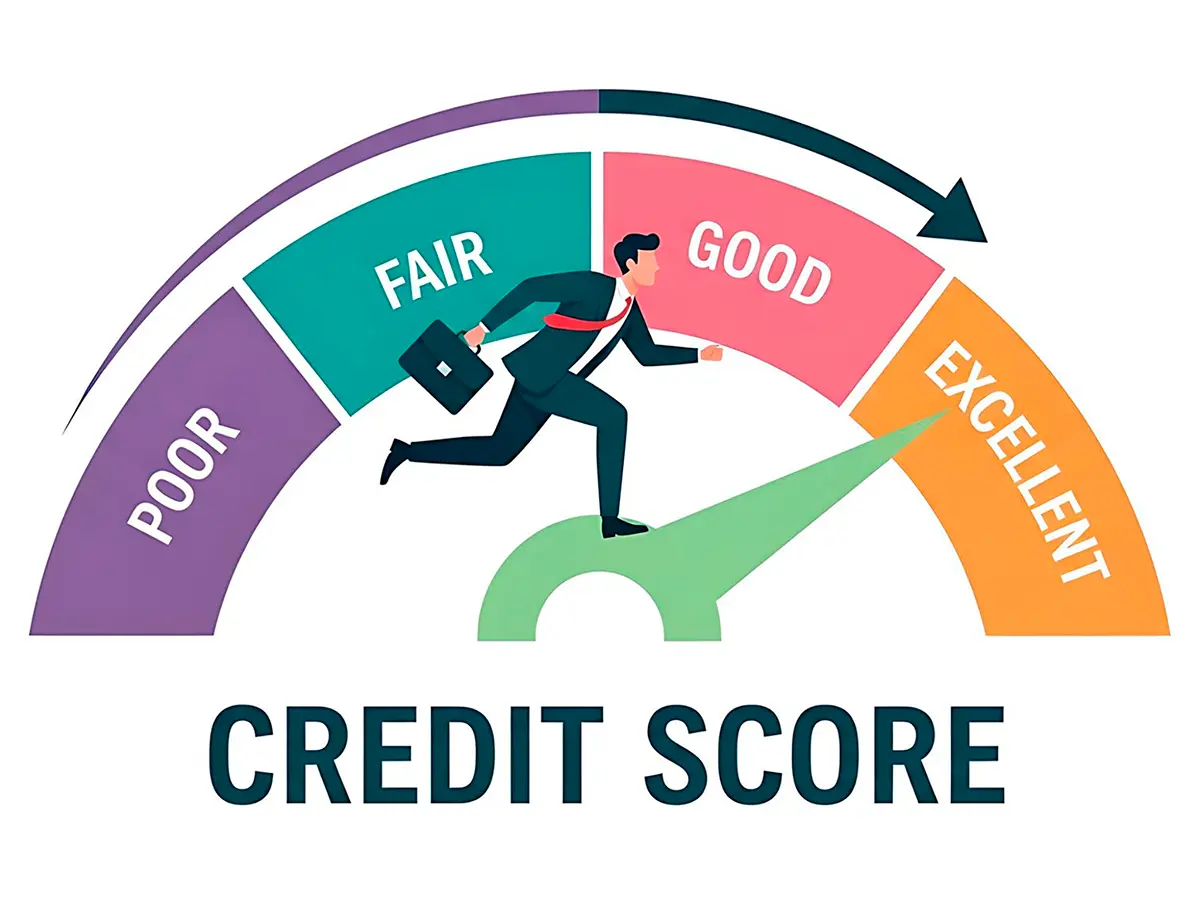
Built around established U.S. credit reporting practices and dispute procedures under the Fair Credit Reporting Act (FCRA). No unrealistic promises—just clarity, documentation, and structured credit improvement.
Unlock more options
Choose the outcome you care about. We’ll outline what improves it—and what to watch for—so you can move forward with confidence.
Your path to stronger credit
A stronger credit profile can mean better approval odds, improved loan terms, and more financial flexibility. Get a clear, no-fluff overview of what credit improvement can help you achieve — then take the next step when you're ready.
Credit decisions in the U.S. are typically influenced by payment history, utilization ratios, account age, recent inquiries, and the accuracy of reporting across major credit bureaus.
Even small inconsistencies can affect lending algorithms. A structured credit improvement approach focuses on verified data, responsible usage patterns, and consistent financial behavior.
*Results vary. This page does not guarantee outcomes.
How it works
A straightforward workflow used by reputable credit‑support programs: review, challenge what’s questionable, and build stronger habits while updates are processed.

Review your starting point
Clarify your goal and look at what’s currently affecting approvals and terms.

Identify what can be challenged
See what information is typically needed, what to expect next, and how the workflow usually looks.

Move forward
Continue to explore available options and take the next step toward better credit outcomes.
legacy credit repair insights and tradeoffs
I look at legacy credit repair as the work of untangling aged, duplicated, or miscategorized items that keep scores lower than they should be. It blends compliance know-how with cost/benefit math: what action yields the most score lift and cash savings for the least effort and risk.
What "legacy" really means here
Older charge-offs, re-sold collections, mixed files, stale public records, and addresses from three moves ago can anchor mistakes in your reports. Because legacy data often flows through multiple databases, one correction upstream can stop negative reinsertion and unlock quiet but meaningful gains.
Value analysis: savings first, effort second
Shaving 20 - 60 points off utilization penalties or removing a duplicate collection can lower borrowing costs. Even a 0.5 - 1.0% APR improvement on a mid-sized auto or mortgage can mean thousands in interest saved over time. The goal isn't perfection; it's the highest return per hour and per dollar.
- Correct identity data: Align names, addresses, and employers to reduce mixed-file errors and "ghost" accounts.
- Cull duplicates: If a debt was sold, only one collection should report; the rest can be challenged for deletion.
- Target goodwill: A single late on an otherwise clean, long account may be removable by goodwill request - high value, low friction.
- Negotiate smart: Settlements at 30 - 60% with clear reporting terms ("delete" or at least "paid/settled") can be cheaper than waiting years for natural falloff, especially before a major loan.
- Sequence disputes: Fix the root (identity and ownership) before balance or date details, so corrections cascade properly.
Method stack that compacts effort
- Pull all three bureau reports and list only verifiable, score-impacting negatives.
- Prioritize by value: recent major derogatories and high-balance collections first; tiny, aged items last.
- Validate debts in writing; no payment until itemization and ownership are confirmed.
- Negotiate conditional terms before paying; get any deletion or update promises documented.
- Dispute factual mistakes with concise, sourced claims; avoid shotgun disputing unrelated data.
- Tune utilization: small credit line increases or balance shifts can yield rapid points at near-zero cost.
- Recheck for reinsertion and escalate with records if it occurs.
Risks and gentle limits
If open accounts keep reporting lates or utilization stays high, legacy fixes won't move the needle much. Contacting a collector on a still-within-limitations debt can provoke activity; know your state timelines. Not every creditor honors pay-for-delete, and legitimate debts are rarely erased without cause.
A small real-world moment
During a library workshop, a teacher in Phoenix called a collector on a four-year-old medical account. With an itemized bill in hand and a short, polite ask for deletion upon settlement, she closed at 40% and the duplicate tradeline vanished the next month. Net effect: cheaper insurance renewal and a lower credit card APR offer.
Who benefits most
Borrowers with long histories, multiple address changes, or debts that changed hands repeatedly. Also, anyone six to twelve months out from a mortgage who needs targeted score gains without overpaying.
Quick value checklist
- One-page inventory of negatives with dates and owners.
- Documented validation before any payment.
- Written settlement terms tied to reporting outcomes.
- Utilization fixes running in parallel.
- Final pass to confirm no reinsertion.
Trim legacy errors, negotiate precisely, and stack small wins. The savings add up, and the cleaner file keeps delivering value long after the last dispute letter is sent.
GET STARTED - By signing up, you consent to receive marketing texts from Twilio autodialer on behalf of Homebuyers of America and Legacy Credits. Text message ...
Credit repair companies typically charge a fee for their services, which can vary based on the level of assistance required and the complexity of the case.
Credit Repair, Tax preparation, and Financial Coaching. Debt is stressful. Freedom is here! Complete this form for your free TaX quote today!
Frequently asked questions
A clear next step — without the guesswork
See what’s impacting approvals and what may deserve a closer look.
Understand how disputes are structured and what documentation matters.
Improve utilization, consistency, and long-term credit stability.
See what improving your credit could change
Take a structured next step based on your current profile — and decide with clarity.